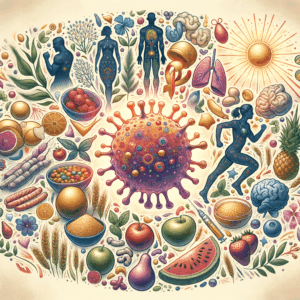
Anti-Inflammatory Diet Plan: Transform Your Health
Read Time:5 Minute, 38 Second
- What is the Anti-Inflammatory Diet?
- Benefits of an Anti-Inflammatory Diet
- How to Start an Anti-Inflammatory Diet
- Foods to Include in an Anti-Inflammatory Diet
- FAQs about the Anti-Inflammatory Diet
Understanding the Anti-Inflammatory Diet
In today’s fast-paced world, the prevalence of chronic inflammation is on the rise, leading to various health issues. One of the most effective ways to combat inflammation is through the anti-inflammatory diet. This diet focuses on consuming whole, nutrient-rich foods that help reduce inflammation in the body. By making simple but powerful changes to your eating habits, you can transform your health and well-being.
What is the Anti-Inflammatory Diet?
The anti-inflammatory diet revolves around consuming foods that have been shown to reduce inflammation in the body. These include fruits, vegetables, whole grains, healthy fats, and lean proteins. By avoiding processed foods, sugary drinks, and excessive amounts of red meat, you can help lower inflammation levels and reduce the risk of chronic diseases. The key is to focus on incorporating whole, natural foods into your daily meals to promote overall health and vitality.
Transitioning to an anti-inflammatory diet isn’t about restriction; it’s about nourishing your body with the right foods to support optimal function. By choosing colorful fruits and vegetables, such as berries, leafy greens, and tomatoes, you can benefit from their powerful anti-inflammatory properties. Additionally, incorporating sources of healthy fats like avocado, nuts, and olive oil can further reduce inflammation and support heart health.
Benefits of an Anti-Inflammatory Diet
The benefits of adopting an anti-inflammatory diet are vast and can positively impact your overall health. By reducing inflammation in the body, you may experience improved digestion, enhanced energy levels, and a stronger immune system. Additionally, an anti-inflammatory diet has been linked to a lower risk of chronic conditions such as heart disease, diabetes, and arthritis.
Making the switch to an anti-inflammatory diet can also lead to better weight management and a reduced risk of obesity. By focusing on nutrient-dense foods that keep you fuller for longer, you can curb cravings and promote a healthy weight. Furthermore, the anti-inflammatory diet encourages mindfulness around eating, promoting a balanced approach to food that supports both physical and mental well-being.
How to Start an Anti-Inflammatory Diet
Embarking on an anti-inflammatory diet journey doesn’t have to be overwhelming. Start by gradually incorporating more whole foods into your meals and reducing your intake of processed foods and added sugars. Fill your plate with a colorful array of fruits and vegetables, whole grains, and lean proteins to ensure you’re getting a variety of nutrients that support your health.
Consider meal prepping to make following an anti-inflammatory diet more convenient and sustainable. Prepare nutritious meals ahead of time so you always have healthy options on hand, making it easier to stick to your new eating plan. Experiment with different recipes and flavors to keep your meals exciting and enjoyable, ensuring that you stay motivated on your journey toward better health.
Foods to Include in an Anti-Inflammatory Diet
When following an anti-inflammatory diet, there are key foods that you should include in your meals to maximize the benefits. Incorporate the following items to help reduce inflammation and support overall health:
– Fatty Fish: Rich in omega-3 fatty acids, fish like salmon, mackerel, and sardines can help reduce inflammation and promote heart health.
– Berries: Packed with antioxidants, berries such as blueberries, strawberries, and raspberries can help combat inflammation and oxidative stress.
– Leafy Greens: Spinach, kale, and Swiss chard are excellent sources of vitamins, minerals, and phytonutrients that support a healthy inflammatory response.
– Nuts and Seeds: Almonds, walnuts, chia seeds, and flaxseeds are rich in healthy fats and fiber, which can help reduce inflammation in the body.
– Turmeric: This golden spice contains curcumin, a compound with powerful anti-inflammatory properties that can benefit overall health.
By incorporating these foods into your diet regularly, you can create a well-rounded eating plan that supports your body’s natural inflammatory response and promotes optimal health.
FAQs about the Anti-Inflammatory Diet
1. Can I still eat meat on an anti-inflammatory diet?
– Yes, but it’s recommended to focus on lean protein sources like poultry, fish, and plant-based proteins to reduce inflammation.
2. Are there specific foods I should avoid on an anti-inflammatory diet?
– Yes, foods high in added sugars, processed foods, and trans fats should be limited as they can promote inflammation in the body.
3. Can the anti-inflammatory diet help with chronic pain conditions?
– Some individuals may experience a reduction in inflammation-related pain when following an anti-inflammatory diet, but individual results may vary.
4. Is it necessary to take supplements while on an anti-inflammatory diet?
– In general, it’s best to obtain nutrients from whole foods, but consult with a healthcare provider to determine if any supplements are necessary based on your individual needs.
5. How long does it take to see the benefits of an anti-inflammatory diet?
– While individual results may vary, many people report feeling improvements in their energy levels and overall well-being within a few weeks of starting an anti-inflammatory diet.
6. Can children follow an anti-inflammatory diet?
– Yes, children can benefit from a diet rich in whole, nutrient-dense foods that support their growth and development.
7. Are there any specific cooking methods recommended for an anti-inflammatory diet?
– Cooking methods like steaming, baking, and sautéing with healthy fats are recommended to retain the nutrients in foods and avoid the formation of harmful compounds.
8. Can I still enjoy desserts on an anti-inflammatory diet?
– Yes, there are plenty of ways to create delicious and nutritious desserts using natural sweeteners like honey, maple syrup, and fruits.
9. Will I need to count calories on an anti-inflammatory diet?
– While calorie counting isn’t necessary, it’s important to focus on eating a balanced diet that provides the nutrients your body needs to function optimally.
10. Can the anti-inflammatory diet help with skin conditions like acne?
– Some individuals may experience improvements in skin conditions like acne by reducing inflammation through dietary changes, but results can vary.
In conclusion, by embracing the principles of the anti-inflammatory diet and making conscious choices about the foods you consume, you can take proactive steps toward improving your health and well-being. Start small, experiment with new recipes, and listen to your body to discover the transformative power of eating for optimal health.
References:
1. Harvard Health Publishing. (2014). Foods that fight inflammation. [https://www.health.harvard.edu/staying-healthy/foods-that-fight-inflammation]
2. Mayo Clinic. (2019). Anti-inflammatory diet: What to know. [https://www.mayoclinic.org/healthy-lifestyle/nutrition-and-healthy-eating/expert-answers/anti-inflammatory-diet/faq-20457636]


Happy
0 %

Sad
0 %

Excited
0 %

Sleepy
0 %

Angry
0 %

Surprise
0 %
 0
0
 0
0