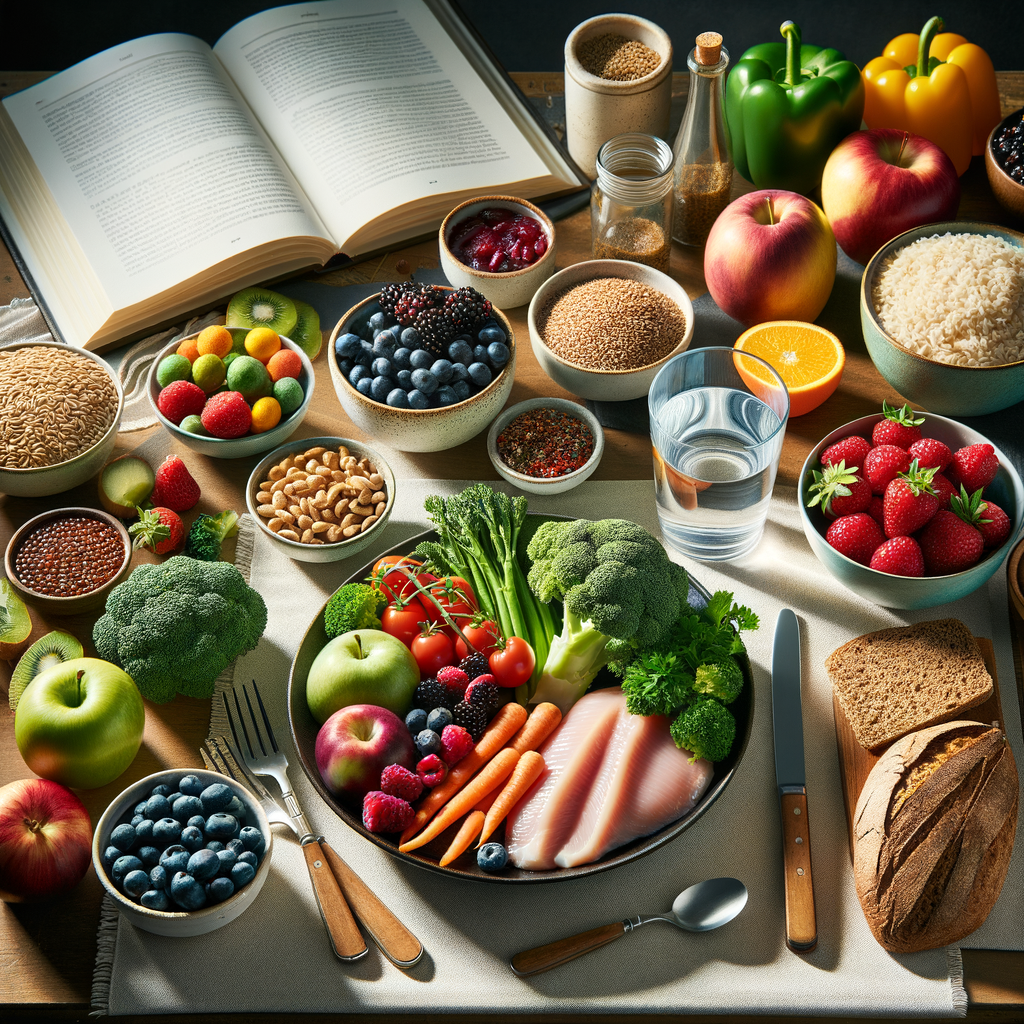
Balanced Meals: The Ultimate Guide to Effortless Nutrition
Read Time:3 Minute, 14 Second
Sure, I will begin crafting the comprehensive blog post on “Balanced Meals: The Ultimate Guide to Effortless Nutrition” as per your guidelines. This will cover everything about creating nutritious meals that are easy to prepare and incorporate into your daily routine.
—
The Importance of Balanced Meals
Eating balanced meals plays a crucial role in maintaining good health. By including a variety of foods that provide essential nutrients, you ensure that your body gets what it needs to function optimally. A balanced meal consists of a combination of carbohydrates, proteins, healthy fats, vitamins, and minerals. These nutrients work together to support your overall well-being and provide you with the energy you need to tackle your day.
Building the Perfect Balanced Plate
Creating a balanced meal doesn’t have to be complicated. One easy way to ensure you’re getting a good mix of nutrients is to divide your plate into sections. Fill half of your plate with vegetables and fruits, one-quarter with lean proteins like chicken or fish, and the remaining quarter with whole grains or starchy vegetables. This simple visual guide helps you see at a glance if your meal is well-rounded and nutritious.
The Role of Macronutrients in Balanced Meals
Macronutrients are the three main components of a balanced diet: carbohydrates, proteins, and fats. Carbohydrates are your body’s primary source of energy and can be found in foods like fruits, vegetables, and whole grains. Proteins are essential for building and repairing tissues, and sources include meat, fish, eggs, and legumes. Healthy fats, such as those found in avocados, nuts, and olive oil, are necessary for brain health and hormone production.
Micronutrients for Optimal Health
In addition to macronutrients, micronutrients are equally important for your health. These include vitamins and minerals that are needed in smaller quantities but play key roles in various bodily functions. For example, vitamin C is essential for a healthy immune system, while calcium is crucial for strong bones. By including a variety of colorful fruits and vegetables in your meals, you can ensure you’re getting a wide range of micronutrients.
Balanced Meals on a Budget
Eating balanced meals doesn’t have to break the bank. With some planning and creativity, you can enjoy nutritious foods without spending a fortune. One tip is to buy seasonal produce, as it’s often more affordable and fresher. You can also opt for frozen fruits and vegetables, which are just as nutritious as fresh ones but typically cost less. Buying in bulk and meal prepping can also help you save money and ensure you always have healthy options on hand.
Making Balanced Meals a Habit
Creating a habit of eating balanced meals is key to long-term health and well-being. Start by setting realistic goals for yourself, such as incorporating one extra serving of vegetables into your meals each day. Gradually add more whole foods to your diet and experiment with new recipes to keep things interesting. Remember, balance is key, so allow yourself to enjoy treats in moderation while prioritizing nutrient-dense foods for the majority of your meals.
Frequently Asked Questions
1. Can I still lose weight with balanced meals?
– Yes, balanced meals can support weight loss by providing essential nutrients and controlling portion sizes.
2. Are vegetarian or vegan diets considered balanced?
– Yes, with proper planning, vegetarian and vegan diets can be balanced and nutrient-rich.
3. How can I ensure my meals are balanced if I have dietary restrictions?
– Consult a dietitian who can help you create a customized meal plan that meets your specific needs.
4. Are smoothies considered balanced meals?
– Smoothies can be balanced meals if they contain a mix of fruits, vegetables, proteins, and healthy fats.
5. Can I eat out and still have balanced meals?
– Yes, many restaurants offer healthy options that can contribute to a balanced diet when chosen wisely.


Happy
0 %

Sad
0 %

Excited
0 %

Sleepy
0 %

Angry
0 %

Surprise
0 %
 0
0
 0
0