Cholesterol Control Made Effortless: Expert Tips & Tricks
Read Time:4 Minute, 25 Second
Understanding Cholesterol Levels
Cholesterol is a fatty substance that is essential for the body’s normal functioning. However, it’s crucial to maintain healthy levels of cholesterol to reduce the risk of heart disease and other health issues. There are two main types of cholesterol: low-density lipoprotein (LDL) and high-density lipoprotein (HDL). LDL cholesterol is often referred to as “bad” cholesterol as it can build up in the arteries, leading to blockages. In contrast, HDL cholesterol is known as “good” cholesterol as it helps remove LDL cholesterol from the arteries.
The Role of Diet in Cholesterol Control
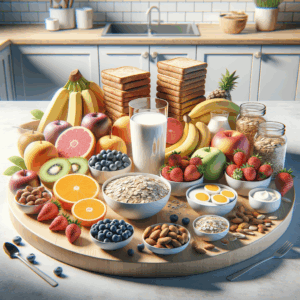
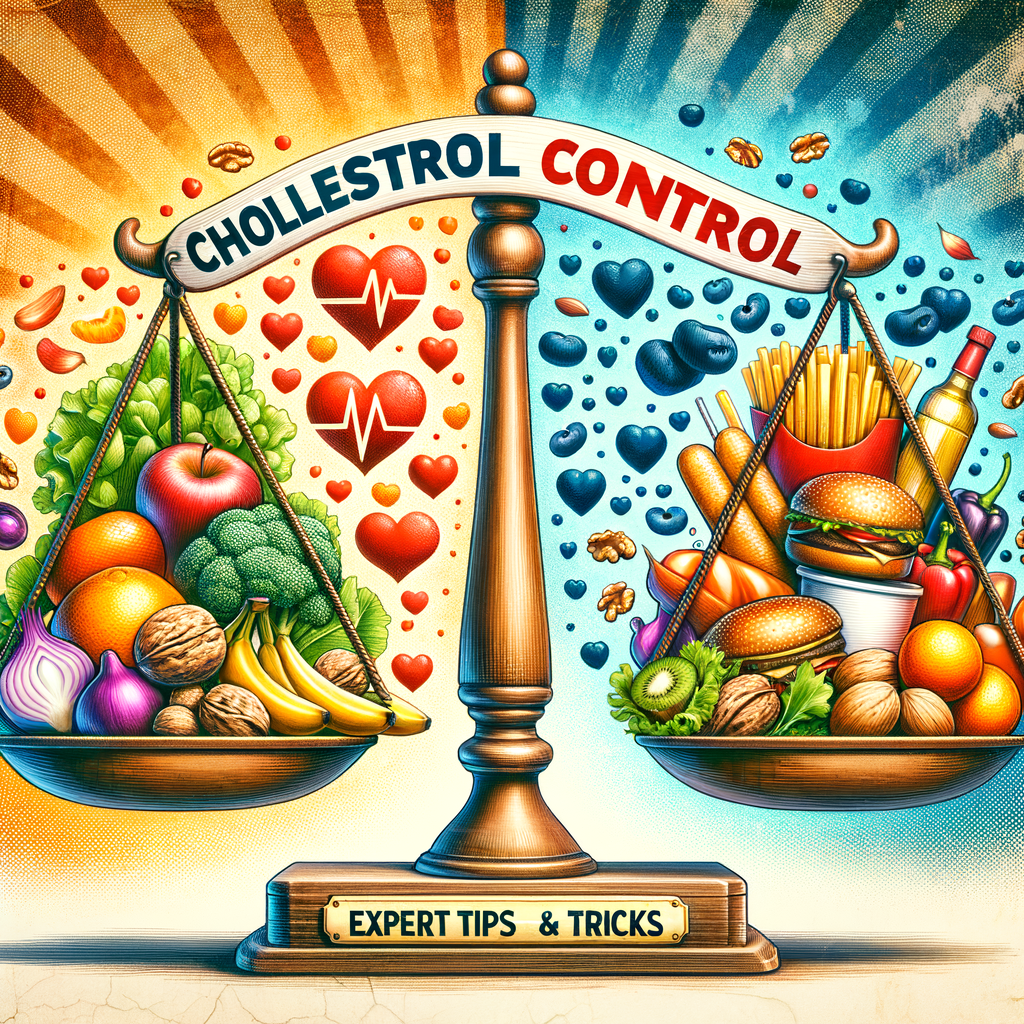
When it comes to cholesterol control, diet plays a significant role. Incorporating a healthy diet rich in fruits, vegetables, whole grains, and lean proteins can help lower LDL cholesterol levels and raise HDL cholesterol levels. Foods high in saturated and trans fats, such as fried foods and processed snacks, should be limited as they can increase LDL cholesterol levels. Instead, opt for foods high in omega-3 fatty acids, like salmon and walnuts, which can help lower cholesterol levels.
Exercise and Cholesterol Management
Regular physical activity is another essential component of cholesterol control. Exercise not only helps with weight management but also improves heart health and can raise HDL cholesterol levels. Aim for at least 150 minutes of moderate-intensity aerobic activity per week, such as brisk walking or cycling, to help maintain healthy cholesterol levels. Strength training exercises can also be beneficial in improving overall cardiovascular health.
Effective Lifestyle Changes for Cholesterol Control
In addition to diet and exercise, making lifestyle changes can have a significant impact on cholesterol levels. Quitting smoking can improve HDL cholesterol levels and reduce the risk of heart disease. Managing stress through techniques like mindfulness meditation or yoga can also help lower cholesterol levels. Getting an adequate amount of sleep each night is crucial for overall health, including cholesterol control. Prioritizing self-care and making time for relaxation can contribute to better cholesterol management.
Supplements and Cholesterol Control
While a healthy diet and lifestyle are the primary ways to control cholesterol levels, some supplements may also offer benefits. Plant sterols and stanols are natural compounds found in fruits, vegetables, nuts, and seeds that can help block the absorption of cholesterol in the intestine. Fish oil supplements, which are high in omega-3 fatty acids, have been shown to lower triglycerides and reduce inflammation in the body. However, it’s essential to consult with a healthcare provider before starting any new supplements to ensure they are safe and effective for individual needs.
Expert Advice on Cholesterol Control
Consulting with a healthcare provider or a registered dietitian is essential for personalized advice on cholesterol control. They can provide guidance on creating a tailored diet plan, recommend suitable exercise routines, and monitor cholesterol levels over time. Regular check-ups and blood tests can help track progress and make adjustments as needed. By working closely with healthcare professionals, individuals can develop a comprehensive approach to cholesterol control that addresses their specific needs and goals.
FAQs About Cholesterol Control
1. Can genetics play a role in cholesterol levels?
– Yes, genetics can influence cholesterol levels, and some individuals may have a genetic predisposition to high cholesterol.
2. Is it possible to control cholesterol levels through diet alone?
– While diet plays a significant role in cholesterol control, other factors like exercise, lifestyle changes, and medications may also be necessary.
3. What are some natural ways to lower cholesterol levels?
– Natural ways to lower cholesterol levels include eating a healthy diet, exercising regularly, managing stress, and taking supplements like fish oil or plant sterols.
4. Are there specific foods that can help lower LDL cholesterol levels?
– Foods high in soluble fiber, such as oats, legumes, and fruits, can help lower LDL cholesterol levels.
5. How often should cholesterol levels be checked?
– It is recommended to have cholesterol levels checked at least once every five years, or more frequently if there is a family history of high cholesterol or heart disease.
6. Can weight loss help improve cholesterol levels?
– Yes, losing excess weight can help improve cholesterol levels, particularly by reducing LDL cholesterol and triglycerides.
7. Are there any side effects associated with cholesterol-lowering medications?
– Some cholesterol-lowering medications may cause side effects such as muscle pain, liver damage, or digestive issues. It’s important to discuss any concerns with a healthcare provider.
8. What is the relationship between cholesterol levels and heart disease risk?
– High levels of LDL cholesterol are associated with an increased risk of heart disease, while higher levels of HDL cholesterol can help reduce cardiovascular risk.
9. Can stress management techniques help lower cholesterol levels?
– Yes, managing stress through techniques like meditation, yoga, or deep breathing exercises can help lower cholesterol levels and improve overall heart health.
10. Is it possible to have too low of cholesterol levels?
– Yes, extremely low levels of cholesterol can also be problematic and may increase the risk of certain health conditions. Monitoring cholesterol levels regularly is essential for maintaining overall health.
—
References:
1. American Heart Association. (2021). Cholesterol.
2. National Heart, Lung, and Blood Institute. (2020). High cholesterol.
3. Mayo Clinic. (2021). Cholesterol levels: What numbers should you aim for?
4. Harvard Health Publishing. (2020). 11 foods that lower cholesterol.
5. Cleveland Clinic. (2021). High cholesterol.
6. WebMD. (2021). Cholesterol management.


Happy
0 %

Sad
0 %

Excited
0 %

Sleepy
0 %

Angry
0 %

Surprise
0 %
 0
0
 0
0