Immune Boosting Foods: Best Essentials for Natural Protection
Read Time:6 Minute, 25 Second
- Importance of Immune Boosting Foods
- Citrus Fruits: Vitamin C Powerhouses
- Berries: Antioxidant-Rich Superfoods
- Green Leafy Vegetables: Nutrient Powerhouses
- Garlic: Nature's Antibiotic
- Yogurt: Probiotic Powerhouse
- Nuts and Seeds: Healthy Fats and Nutrients
- Turmeric: Anti-Inflammatory Super Spice
- Green Tea: Immune-Boosting Beverage
- Conclusion
- Frequently Asked Questions
- References
Importance of Immune Boosting Foods
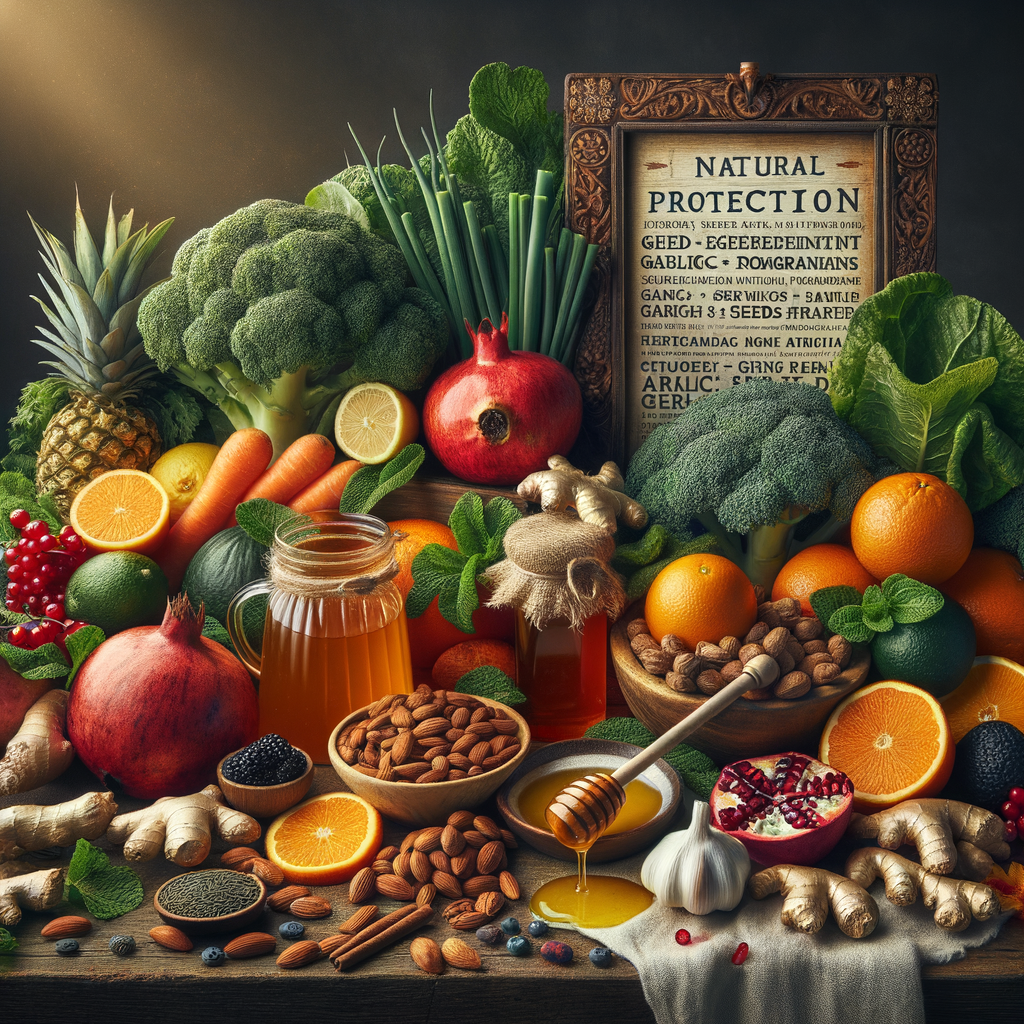
Maintaining a robust immune system is crucial for overall health and well-being. One of the most effective ways to boost your immune system is through a healthy diet rich in immune-boosting foods. These foods are packed with vitamins, minerals, and antioxidants that help strengthen your body’s natural defenses against infections and illnesses. By incorporating these immune-boosting foods into your daily diet, you can give your immune system the extra support it needs to stay strong and resilient.
Citrus Fruits: Vitamin C Powerhouses
Citrus fruits such as oranges, grapefruits, lemons, and limes are well-known for their high vitamin C content, which is essential for a healthy immune system. Vitamin C is a powerful antioxidant that helps boost the production of white blood cells, which are key to fighting off infections. Including citrus fruits in your diet can help increase your body’s resistance to colds, flu, and other illnesses. Additionally, citrus fruits are versatile and can be enjoyed in various ways, from fresh juices to zesty salad dressings.
Berries: Antioxidant-Rich Superfoods
Berries like blueberries, strawberries, raspberries, and blackberries are not only delicious but also packed with antioxidants known to support immune function. Antioxidants help protect cells from damage and reduce inflammation, thereby enhancing the body’s immune response. Berries are also rich in vitamins, such as vitamin C and fiber, making them an excellent choice for overall health. Whether eaten fresh, frozen, or blended into smoothies, incorporating a variety of berries into your diet can provide a potent immune-boosting punch.
Green Leafy Vegetables: Nutrient Powerhouses
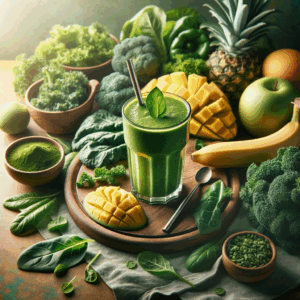
Green leafy vegetables like spinach, kale, and Swiss chard are nutritional powerhouses that offer a wide range of essential vitamins and minerals. These vegetables are rich in antioxidants, vitamins A, C, and K, as well as folate and iron, all of which contribute to a healthy immune system. The diverse nutrients in green leafy vegetables work synergistically to support immune function and overall health. Whether sautéed, steamed, or added to salads and soups, incorporating green leafy vegetables into your meals is a smart choice for immune support.
Garlic: Nature’s Antibiotic
Garlic has been used for centuries for its medicinal properties, including its immune-boosting effects. Garlic contains compounds like allicin, which have antimicrobial properties that can help fight infections and boost the immune system. Regular consumption of garlic may help reduce the severity and duration of colds and flu. Whether added to soups, stir-fries, or homemade dressings, garlic is a flavorful and versatile ingredient that can enhance both the taste of your meals and your immune defense.
Yogurt: Probiotic Powerhouse
Yogurt is a probiotic-rich food that supports gut health, which plays a critical role in immune function. The live cultures in yogurt help maintain a healthy balance of gut bacteria, which is essential for a strong immune system. Probiotics in yogurt can help prevent and fight infections by enhancing the body’s immune response. Choose plain, unsweetened yogurt with live active cultures to reap the most immune-boosting benefits. Enjoy yogurt on its own, in smoothies, or as a topping for fruit and granola to support your immune health.
Nuts and Seeds: Healthy Fats and Nutrients
Nuts and seeds, such as almonds, walnuts, chia seeds, and flaxseeds, are excellent sources of healthy fats, protein, and essential nutrients, including vitamin E and zinc. These nutrients are crucial for immune function and overall health. Vitamin E is a powerful antioxidant that helps protect cells from damage, while zinc is involved in the development and function of immune cells. Incorporating a variety of nuts and seeds into your diet can provide a range of immune-boosting benefits. Add them to salads, oatmeal, or enjoy them as a snack for a nutrient-rich boost.
Turmeric: Anti-Inflammatory Super Spice
Turmeric is a golden spice known for its anti-inflammatory and antioxidant properties, thanks to its active compound curcumin. Curcumin has been shown to modulate the immune system, helping to regulate immune responses and reduce inflammation. Incorporating turmeric into your diet can help support immune function and overall well-being. Whether used in curries, soups, or smoothies, turmeric adds a warm, earthy flavor and a vibrant color to dishes while providing immune-boosting benefits.
Green Tea: Immune-Boosting Beverage
Green tea is not only a soothing beverage but also a potent immune-boosting drink. It is rich in antioxidants called catechins, which have been shown to enhance immune function and protect against infections. The combination of antioxidants and polyphenols in green tea helps support the body’s immune response and promote overall health. Enjoy a cup of green tea as a comforting and healthful way to boost your immune system and stay hydrated throughout the day.
Conclusion
Incorporating immune-boosting foods into your diet is a simple yet powerful way to enhance your body’s natural defense mechanisms and promote overall health. By choosing a variety of nutrient-dense foods like citrus fruits, berries, green leafy vegetables, garlic, yogurt, nuts, seeds, turmeric, and green tea, you can support your immune system and lower your risk of infections and illnesses. Remember that a balanced diet, regular exercise, adequate sleep, and stress management are all important elements of maintaining a strong and resilient immune system.
Frequently Asked Questions
1. Can I rely solely on immune-boosting foods for protection against illnesses?
– While immune-boosting foods are beneficial, a holistic approach to health includes various factors like exercise, sleep, and stress management.
2. Are supplements a good substitute for immune-boosting foods?
– Supplements can be helpful, but it’s best to get nutrients from whole foods as they contain a variety of beneficial compounds.
3. Can children consume immune-boosting foods?
– Yes, children can benefit from a diet rich in immune-boosting foods as part of a balanced and varied diet.
4. Are there any immune-boosting foods that are allergens or may cause intolerance?
– Some foods like nuts, dairy, and gluten-containing grains may trigger allergies or intolerances in some individuals.
5. How can I incorporate immune-boosting foods into a vegetarian or vegan diet?
– Plant-based sources like legumes, seeds, nuts, leafy greens, and fortified foods can provide essential nutrients for immune support.
6. Are there specific immune-boosting foods recommended for older adults?
– Older adults can benefit from foods rich in vitamins D and B12, as well as protein, to support aging immune systems.
7. Can immune-boosting foods help prevent seasonal allergies?
– Some foods like local honey, ginger, and turmeric may have anti-inflammatory properties that could potentially help ease allergy symptoms.
8. Are there specific foods that can help boost immunity during travel or times of stress?
– Probiotic-rich foods, vitamin C-rich fruits, and zinc-containing foods can aid in supporting the immune system during periods of stress or travel.
9. Can cooking methods affect the immune-boosting properties of foods?
– Cooking methods like steaming, sautéing, or blanching are preferred to retain the nutritional content of immune-boosting foods.
10. Should individuals with existing medical conditions consult a healthcare provider before increasing immune-boosting foods in their diet?
– It’s advisable for individuals with medical conditions or on specific medications to consult a healthcare provider before making significant dietary changes.
References
1. National Institutes of Health. (2020). Vitamin C. https://ods.od.nih.gov/factsheets/VitaminC-HealthProfessional/
2. Linus Pauling Institute. (2021). Immunity in Depth. https://lpi.oregonstate.edu/mic/health-disease/immunity
3. Harvard T.H. Chan School of Public Health. (n.d.). Infectious Disease and Nutrition. https://www.hsph.harvard.edu/nutritionsource/infectious-disease-nutrition/


Happy
0 %

Sad
0 %

Excited
0 %

Sleepy
0 %

Angry
0 %

Surprise
0 %
 0
0
 0
0