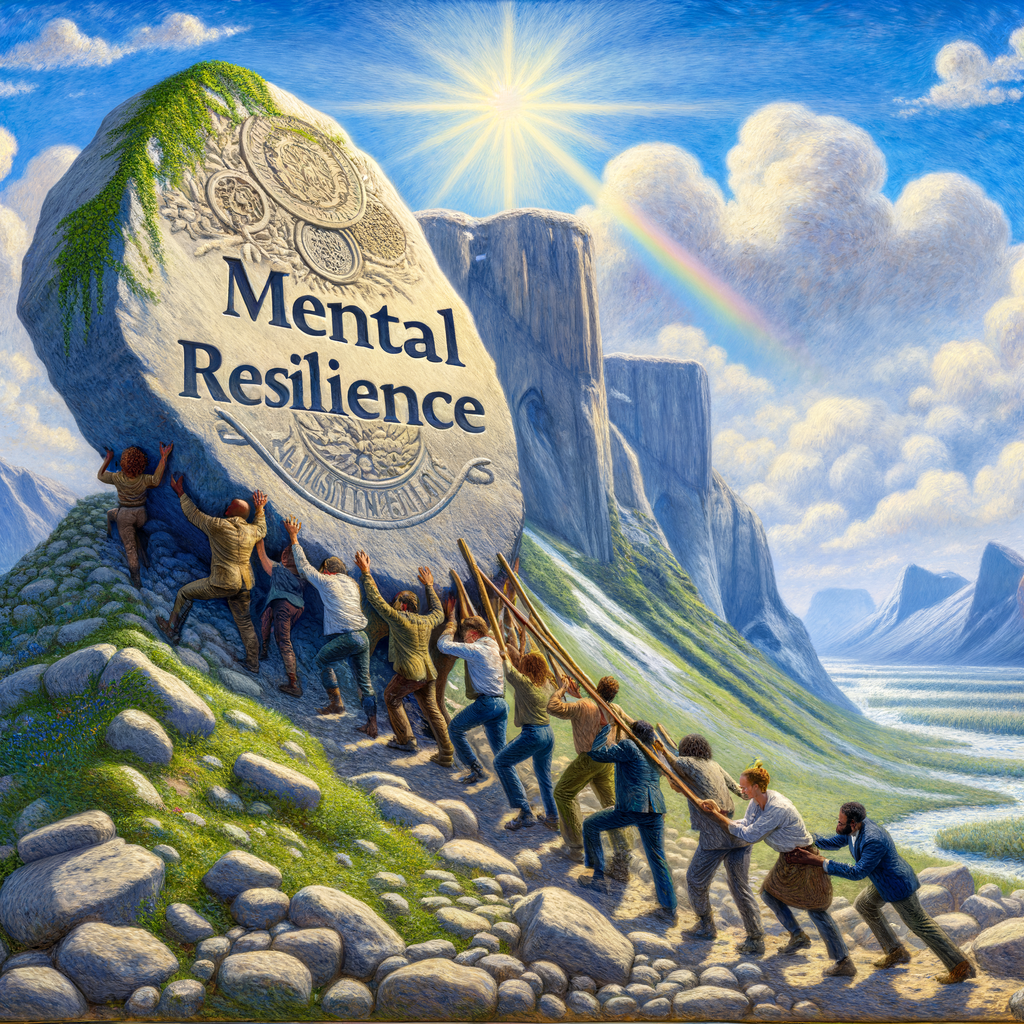
Mental Resilience: Ultimate Guide to Boosting Your Strength
Read Time:4 Minute, 17 Second
- Understanding Mental Resilience
- Strategies for Building Mental Resilience
- Benefits of Mental Resilience
- Strategies for Overcoming Adversity
- FAQs About Mental Resilience
- References
Understanding Mental Resilience
Mental resilience is the ability to navigate challenges, setbacks, and stress in a way that allows you to bounce back and adapt positively to adversity. It is a vital trait that enables individuals to cope with difficult situations and maintain a sense of well-being. Building mental resilience is essential for overall mental health and emotional well-being. By cultivating this strength, you can better cope with life’s ups and downs, improve your problem-solving skills, and enhance your overall quality of life.
Developing mental resilience involves various factors, including self-awareness, emotional regulation, positive thinking, and problem-solving abilities. It requires fostering a growth mindset, which focuses on learning from failures and setbacks rather than viewing them as insurmountable obstacles. By strengthening your mental resilience, you can better manage stress, cope with challenges, and adapt to change more effectively.
Strategies for Building Mental Resilience
1. Developing a Support Network: Surround yourself with supportive and understanding individuals who can provide emotional support and encouragement during difficult times.
2. Practicing Mindfulness: Engage in mindfulness techniques such as meditation and deep breathing exercises to increase self-awareness and reduce stress levels.
3. Setting Realistic Goals: Break down larger goals into smaller, achievable milestones to maintain motivation and a sense of accomplishment.
4. Cultivating Positive Relationships: Build strong connections with others based on empathy, trust, and mutual respect to enhance social support networks.
5. Seeking Professional Help: Do not hesitate to seek help from mental health professionals if you are struggling to cope with stress or adversity.
Benefits of Mental Resilience
Enhancing your mental resilience offers numerous benefits, including improved emotional well-being, increased self-confidence, and better problem-solving skills. By developing this crucial trait, you can effectively navigate life’s challenges and setbacks with grace and optimism. Mental resilience empowers you to bounce back from adversity stronger and more resilient than before, enabling you to thrive in the face of adversity.
Strategies for Overcoming Adversity
1. Practice Self-Compassion: Be kind and understanding towards yourself during tough times, acknowledging your efforts and progress, no matter how small.
2. Focus on Solutions: Instead of dwelling on the problem, shift your focus towards possible solutions and proactive steps to address the issue.
3. Maintain a Growth Mindset: Embrace challenges as opportunities for growth and learning, recognizing that setbacks are part of the journey to success.
4. Stay Connected: Reach out to friends, family, or support groups for comfort, advice, and encouragement when facing adversity.
5. Engage in Self-Care: Prioritize self-care activities that nourish your mind, body, and soul, such as exercise, healthy eating, and adequate rest.
FAQs About Mental Resilience
1. How can I improve my mental resilience?
To boost your mental resilience, practice mindfulness, seek support from others, set realistic goals, and focus on building positive relationships.
2. Is mental resilience something you’re born with, or can it be developed?
While some individuals may naturally exhibit higher levels of mental resilience, everyone has the capacity to cultivate and enhance this trait through practice and perseverance.
3. Can mental resilience help in professional settings, such as the workplace?
Absolutely. Mental resilience is a valuable asset in navigating work-related challenges, managing stress, and fostering a positive work environment.
4. What role does self-awareness play in building mental resilience?
Self-awareness is paramount in developing mental resilience as it allows individuals to recognize their emotions, thoughts, and reactions, enabling them to better cope with adversity.
5. How important is social support in enhancing mental resilience?
Social support is crucial in building mental resilience as it provides individuals with a sense of belonging, emotional validation, and encouragement during tough times.
6. How can I help someone else improve their mental resilience?
Supporting and encouraging others, listening attentively, and offering assistance when needed can help bolster someone else’s mental resilience.
7. Can mental resilience protect against mental health conditions such as anxiety and depression?
While mental resilience is not a cure-all, it can serve as a protective factor against mental health issues by helping individuals better cope with stress and adversity.
8. What are some daily habits that can promote mental resilience?
Engaging in regular physical activity, practicing gratitude, maintaining a balanced lifestyle, and seeking professional help when needed can promote mental resilience.
9. How does mental resilience impact decision-making and problem-solving abilities?
High levels of mental resilience can improve decision-making and problem-solving skills by enabling individuals to approach challenges with a positive mindset and a willingness to learn from setbacks.
10. Can mental resilience be strengthened at any age, or is it more effective to start building it early in life?
While developing mental resilience early in life can have long-lasting benefits, it is never too late to start enhancing this trait. With dedication and practice, individuals of all ages can improve their mental resilience and adaptability.
References
– American Psychological Association. “Building Your Resilience.” www.apa.org
– Mayo Clinic. “Resilience: Build Skills to Endure Hardship.” www.mayoclinic.org
– Harvard Business Review. “How to Build Your Resilience in the Workplace.” www.hbr.org


Happy
0 %

Sad
0 %

Excited
0 %

Sleepy
0 %

Angry
0 %

Surprise
0 %
 0
0
 0
0